SP CE vs salesforce PRM

A fair look at both. We’ll tell you when Salesforce the better fit –

and when SP_CE is.
SP_CE vs Saleforce
Home » Compare » SP_CE vs Salesforce PRM: A Fair Comparison of Two PRM Platforms

TL;DR

Salesforce PRM is the default for Salesforce-shop teams already on Sales Cloud who want partner management inside the same platform. SP_CE is the modern partner portal for teams that want partner-specific AI, multi-CRM friendliness and a faster path to launch without the Sales Cloud dependency.

If your CRM stack is all-in on Salesforce and you can absorb the total cost (Sales Cloud + PRM SKU + Experience Cloud + Ecosystem Management), Salesforce PRM is hard to beat for native depth. If you have a multi-CRM reality, want AI purpose-built for partner content, or just don’t want a Salesforce-tier total cost, SP_CE is the better fit.

At first glance

Category
SP_CE Partner portal with AI (PAM)
SP_CE logo
SALESFORCE PRM Native PRM on the Salesforce platform
Salesforce PRM logo
Best for
Mid-market and enterprise teams
that want a modern portal
Salesforce-shop teams
already running Sales Cloud
Time to launch
Days to weeks
Typically months
Public pricing
Yes – mid-market floor published
Yes – $25–$50 / member + Sales Cloud
AI brand
PAM (AI channel manager)
Agentforce / Einstein
AI approach
Source citations, versioned documents,
clear answer boundaries
Cross-product CRM AI,
not partner-specialized
Partner UX focus
Built around the partner's day-to-day
Built around the CRM workflow
Implementation
In-house, no managed service required
Salesforce admin / dev work;
consulting partners common
CRM Integrations
Salesforce, HubSpot, Pipedrive, Dynamics,
Lime CRM, monday.com
Salesforce only
(Partner Connect for cross-CRM partners)
Content and meetings
Google Drive, OneDrive, SharePoint,
Google Calendar, Microsoft Teams
Slack (PRM for Slack App),
Experience Cloud, Salesforce Files
Hyperscaler co-sell
Not the focus
AppExchange ecosystem
Regulated industry fit
Versioned content, market and
tier scoping built in
Salesforce compliance suite
HQ
EU (Nordic roots), GDPR-native
US

Feature Comparison

AI – partner-specific vs cross-product

  • Salesforce PRM is part of the broader Agentforce / Einstein investment. It’s cross-product CRM AI: lead scoring, opportunity insights, self-service support agents, sales coaching. Powerful inside Salesforce, but not specialized for partner content.

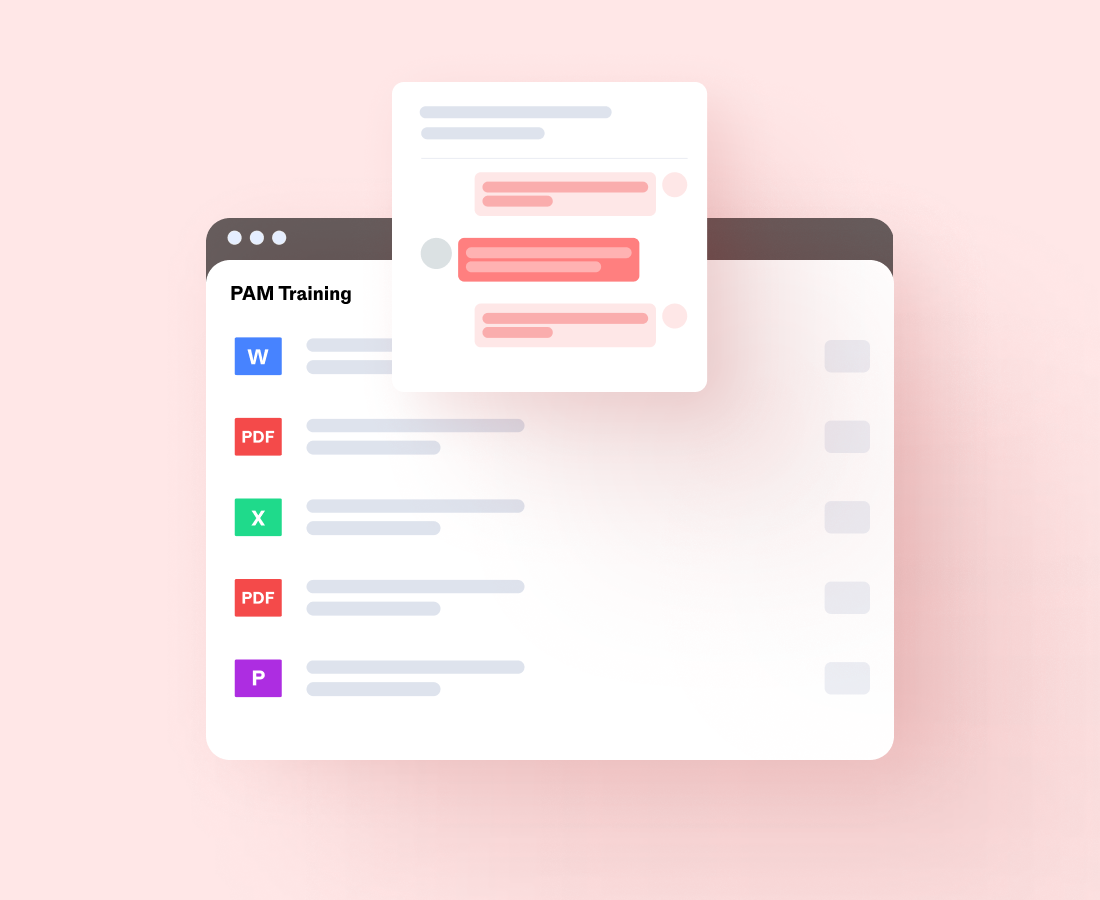
  • SP_CE‘s PAM is built around the question partners actually ask: “Where is the latest version of this asset, and is the answer I’m giving my customer correct?” Every PAM answer is anchored to a specific source document with the version visible. Documents are versioned, so a Q4 2025 distributor agreement won’t accidentally cite the Q4 2024 version. When PAM doesn’t know, it says so.

Bottom line: Einstein is the bigger AI brand. PAM is the AI you’d want answering specific product questions to your channel partners.
AI – the headline difference
SP_CE Comparison on Integration

CRM dependency

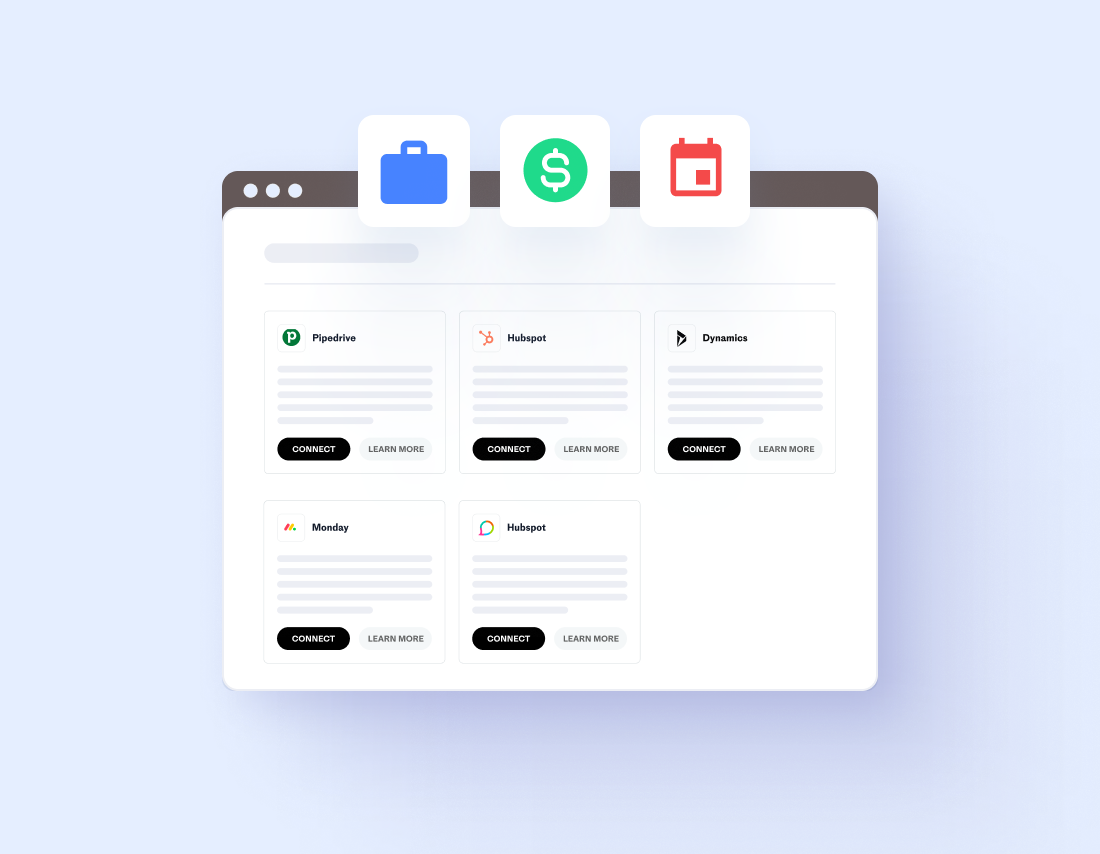
  • Salesforce PRM requires Sales Cloud. If your sales team is fully on Salesforce, you’re in. If part of your team uses HubSpot, Pipedrive, Dynamics, Lime CRM or monday.com, Salesforce PRM effectively asks them to switch CRMs as a precondition for the partner program.

  • SP_CE is multi-CRM friendly by design. We integrate with Salesforce, HubSpot, Pipedrive, Microsoft Dynamics, Lime CRM and monday.com without forcing a CRM consolidation.

Bottom line: If your CRM stack is Salesforce-only, this is a non-issue. If it isn’t, SP_CE doesn’t force a CRM migration as a side effect.

Time to launch
  • Salesforce PRM is marketed as “native” because Experience Cloud, Sales Cloud and PRM live on the same platform. In practice, real-world rollouts include Salesforce admin and developer work, custom object design, permission set engineering and consulting-partner involvement. Multi-month timelines are the norm.

  • SP_CE customers go live in days to weeks. We do this by shipping a structured portal you configure, not a blank canvas you have to build. Smart Folders, Space Designer and Global Resources mean a Channel Marketing Manager can spin up a partner-ready space the same week they sign the contract.

Bottom line: If your channel team can’t wait two quarters to launch, this matters more than feature counts.

SP_CE comparison on launching
SP_CE Comparison on Pricing
Pricing
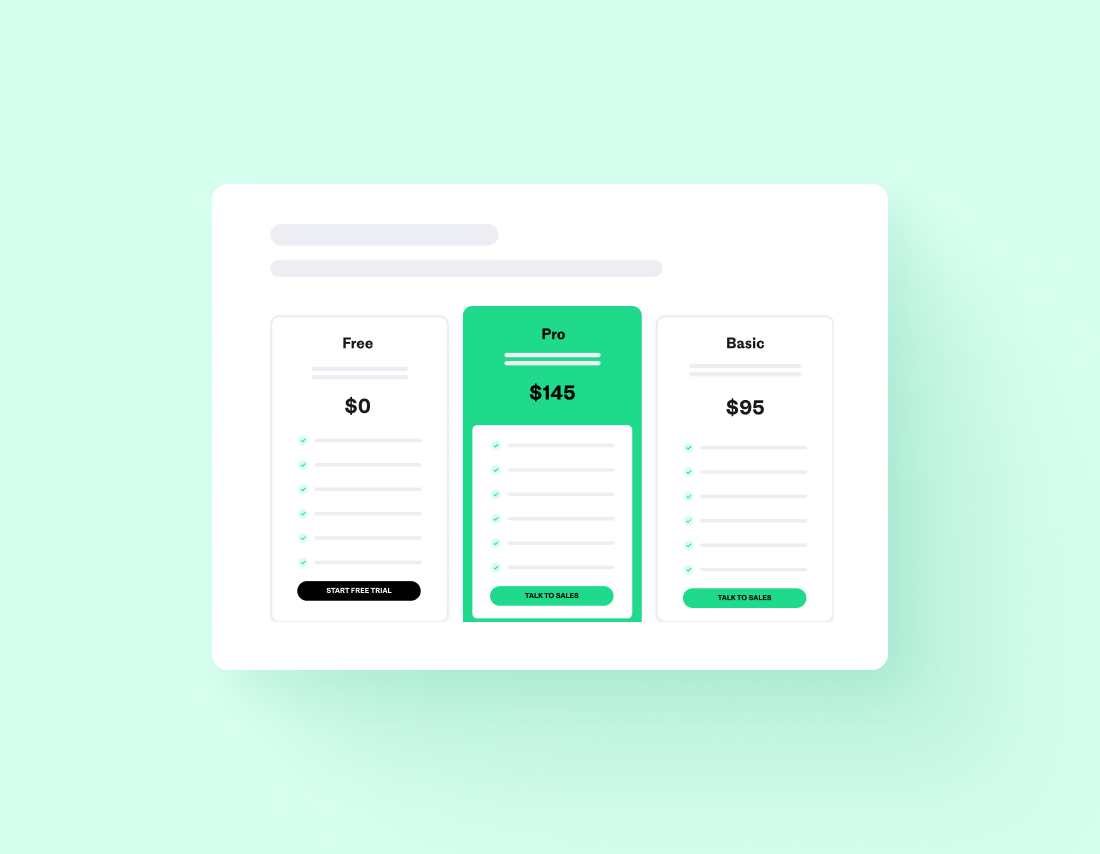
  • Salesforce publishes pricing transparently: $25 USD per member per month for PRM, $50 for Partner Ecosystem Management. The catch is that both SKUs require Sales Cloud. Total cost for a partner program ends up as Sales Cloud + PRM + Experience Cloud member fees + consulting-partner implementation.

  • SP_CE publishes a mid-market floor with custom enterprise pricing above it. No prerequisite license required.

Bottom line: Salesforce wins on headline per-seat price. SP_CE typically wins on total cost once you include the full stack.

Partner experience focus
  • Salesforce PRM is built around the CRM workflow. The partner-side experience runs on Experience Cloud, which is powerful but feels CRM-centric: object lists, page layouts, tab-based navigation. Partners often need training to use it well.

  • SP_CE is built around the partner’s day-to-day. Partners get a clean space with the resources, training and deal context they need, and PAM is there to answer questions in plain language. The vendor’s program manager still has all the controls; they just don’t get in the partner’s way.

Bottom line: If you measure success by partner-side adoption, the simpler, partner-first experience usually wins.


SP_CE on Partner experience
SP_CE Comparison on Compliance and regulated industries
Compliance and regulated industries
  • Salesforce PRM inherits the Salesforce compliance suite, which is mature and broad. What’s harder to find is a published architecture for how partner content is versioned, scoped or governed at the partner-content level.

  • SP_CE has versioned documents and per-market, per-tier scoping built into the platform. Source citations come attached to every PAM answer. If a partner in Germany shouldn’t see the US-only version of a medical device IFU, the structure is there to enforce it without a custom Apex trigger.

Bottom line: For medtech, life sciences and fintech programs, the partner-content compliance architecture is worth a careful look.

Support and service model
  • SP_CE offers onboarding, customer success and a partner success team that helps your channel team get more out of the portal over time. We don’t run a consulting marketplace because most customers don’t need one.

  • Salesforce PRM is typically deployed and maintained with consulting-partner support (Accenture, IBM, Slalom and the broader AppExchange consulting ecosystem). For very large rollouts, this is a strength: real expertise and global delivery. For mid-market, it’s overhead.

Bottom line: Salesforce wins for organizations that want a deep consulting ecosystem. SP_CE wins for teams that want to run it themselves with strong support.

Which should you pick?

Pick SP CE if:

  • Your partner motion is channel: resellers, distributors, ISVs, system integrators, dealers

  • AI accuracy matters – you sell regulated products and can’t afford a hallucinated answer

  • Your partners need versioned content scoped by market or tier

  • You’re in medtech, fintech, manufacturing, telecom or another regulated industry
  • You already know your partners – recruitment isn’t the gap, enablement is
  • You’re EU-based or have EU partners and want GDPR-native architecture from day one
  • Partner certification and structured training are part of your program

Pick Salesforce if

  • Your sales team is fully on Sales Cloud with no plans to leave

  • Per-member pricing predictability matters more than total cost

  • You have a Salesforce admin or developer with capacity for partner-program customization

  • You want to use AppExchange consulting partners for delivery

  • Slack-native partner communication is a core requirement

  • Your procurement team prefers a single-vendor Salesforce stack

Migrating from Salesforce PRM

If you’re moving from Salesforce PRM , here’s what we usually see:
FAQ – Salesforce PRM

Yes. SP_CE works alongside Salesforce as a CRM (and works with HubSpot, Pipedrive, Dynamics, Lime CRM and monday.com too), while replacing the Experience Cloud and PRM SKU stack with a purpose-built partner portal.

On headline per-seat price, Salesforce wins at $25 USD per member. On total cost (Sales Cloud + PRM + Experience Cloud + implementation), SP_CE typically comes in lower. Run the math for your team size and seat count.

Only if Salesforce is your CRM of choice. SP_CE works with Salesforce as a CRM but doesn’t require it. If you want to keep Sales Cloud and just replace the PRM and Experience Cloud SKUs, that works too.

Agentforce and Einstein are broad CRM AI products. PAM is purpose-built for partner content: source citations, versioned documents, clear answer boundaries. Different design choices, different outcomes for compliance-sensitive content.

Days to weeks for most programs. We’ve moved customers in under a month.

Yes. Customers run multi-region, multi-language and multi-tier programs in SP_CE today.

See SP CE next to SALESFORCE PRM

Book a 30-minute analysis.

If it turns out you need an affiliate platform instead, we will tell you.

Go to Top